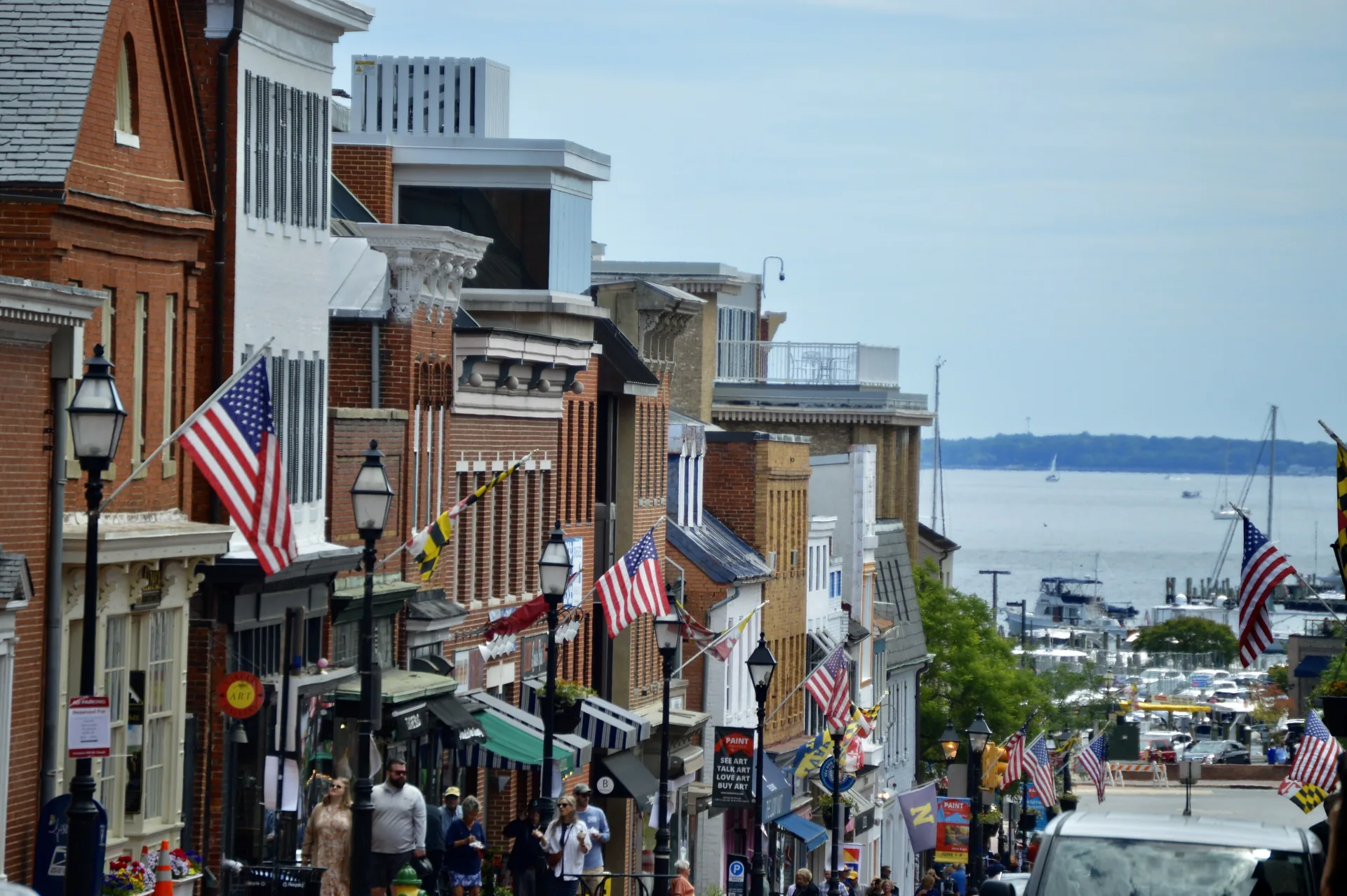
Annapolis brings together the State House, downtown streets and the maritime setting of Eastport. Explore its separate pockets on foot and by local transit, with attention to the creek crossings and your destination’s entrance.
Columbia’s villages, paths and shared institutions explain how the planned community works. Start with its history, a local village center and the right organization for an everyday question.
Severna Park’s daily landmarks include Ritchie Highway, the library on West McKinsey Road and the B&A Trail. Explore the community through its local errands, trail entrances and nearby county parks.
Taneytown offers a local-history museum and several distinct public parks. Start with an exhibition date, a pond-side walk at Roberts Mill or a gathering at Memorial Park.
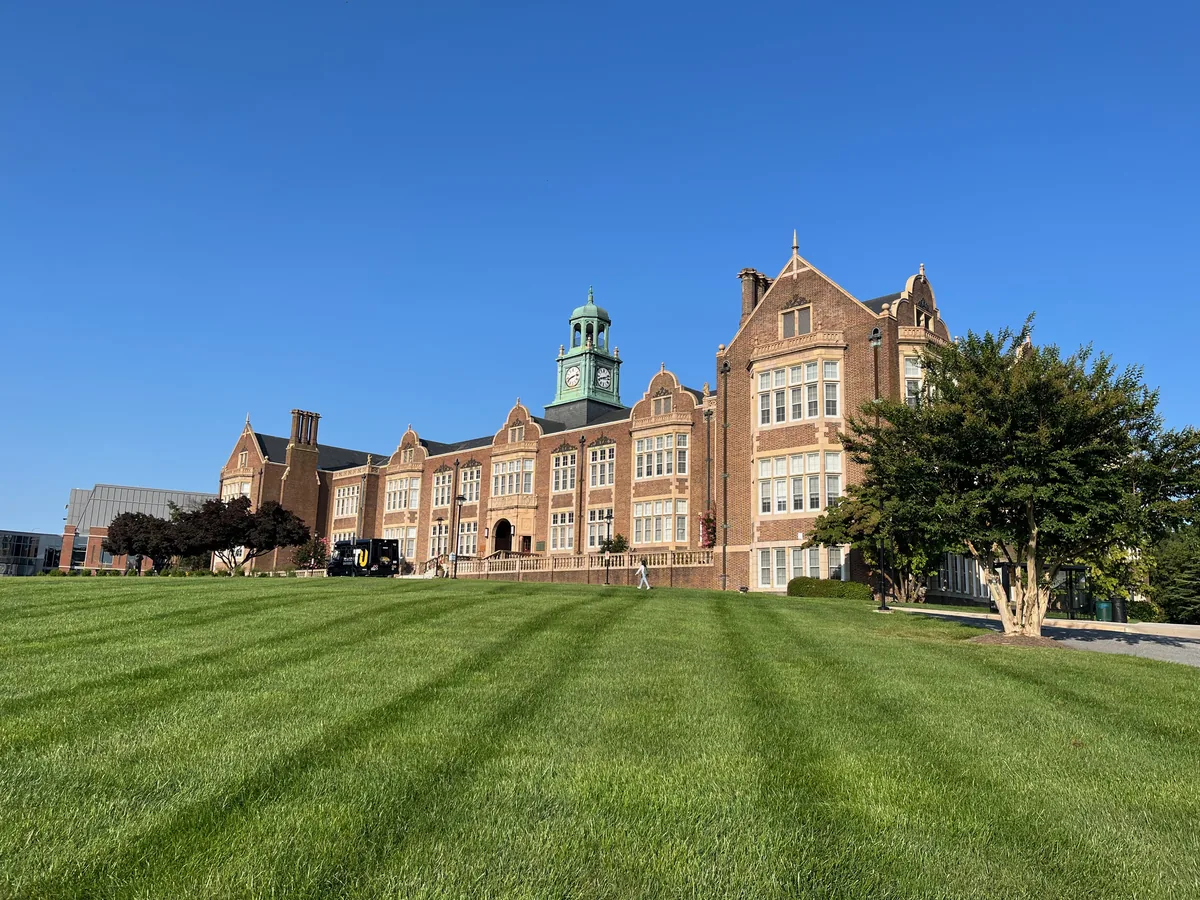
Towson brings Baltimore County government, a university campus and a substantial public library into a town center with a history distinct from Baltimore City.
Abell’s porch-front streets, former ballpark site and community-managed open space connect neighborhood history with everyday life near Greenmount Avenue.
Admiral Heights connects Annapolis streets named for naval leaders with neighborhood waterfront spaces. Dewey Dock, Halsey Park and the separately managed boat club have distinct uses and access arrangements.
Amesbury Hill is a small Town Center residential area off Ten Mills Road near Route108. Its community history, nearby golf resources and Centennial Park entrances help orient a first visit.
Arcadia’s bungalows, cottages and duplexes connect an early twentieth-century subdivision story with an improvement association publishing current neighborhood news.
Baltimore Highlands is a Baltimore City rowhouse neighborhood near Highlandtown, with local housing programs and wider east Baltimore support for older residents.
Banneker is a Town Center residential neighborhood on Banneker Road. Its fire-station landmark, local play areas and the current Central Library give practical orientation points.
Barclay’s rowhouses, former industrial spaces and community organizing reflect a central Baltimore neighborhood shaped by transportation and successive stages of development.
Barre Circle is a compact rowhouse neighborhood near Pigtown and Hollins Market, with a community association and a nearby library branch currently closed for improvements.
Belair-Edison brings porch-front houses, a Belair Road business corridor and neighborhood housing resources together near Herring Run and Clifton Park.
Generalized county boundaries from the U.S. Census Bureau (2025). Place markers appear only where locations have been verified. The same guides are available in the list below.
Arbutus combines a Sulphur Spring Road civic center with railroad memory and sustained connections between residents and the neighboring UMBC community.
Baltimore County includes Towson, established communities around the city and open spaces farther out. Look at the county through the destinations and transport corridors you would actually use, rather than a single Baltimore mailing address.
Bowleys Quarters’ peninsula identity is reflected in a long-running improvement association, watershed advocacy, a community newsletter and a small public book exchange.
Carney’s Harford and Joppa Road setting connects established residential areas, the Parkville-Carney library and the long-running cider operation on Proctor Lane.
Catonsville’s Frederick Road connects music shops, local history and a library with recording studios, while nearby college arts resources extend the community’s creative life.
Cockeysville pairs a substantial public library with Baltimore County’s historical society, where an old almshouse and agricultural collections open a window into county life.
Dundalk’s planned housing and civic center grew from industrial labor, while its historical society, community theatre and library services carry that local identity into the present.
Edgemere’s North Point State Park combines Chesapeake shoreline and protected marsh with traces of a trolley-era amusement park; local recreation also has an active volunteer network.
Essex connects Eastern Boulevard’s civic and commercial history with Back River access, a volunteer-run heritage museum and a substantial public library on Eastern Boulevard.
Glyndon’s rail-era village, preservation groups and neighboring Methodist camp-meeting grounds reveal how summer settlement became a lasting community.
Halethorpe’s residential community has its own civic association and local history, with the MARC Penn Line providing a rail connection from Southwestern Boulevard.
Hampton’s residential community surrounds a national historic site whose gardens, buildings and interpretation connect local development with the lives of enslaved people and estate workers.