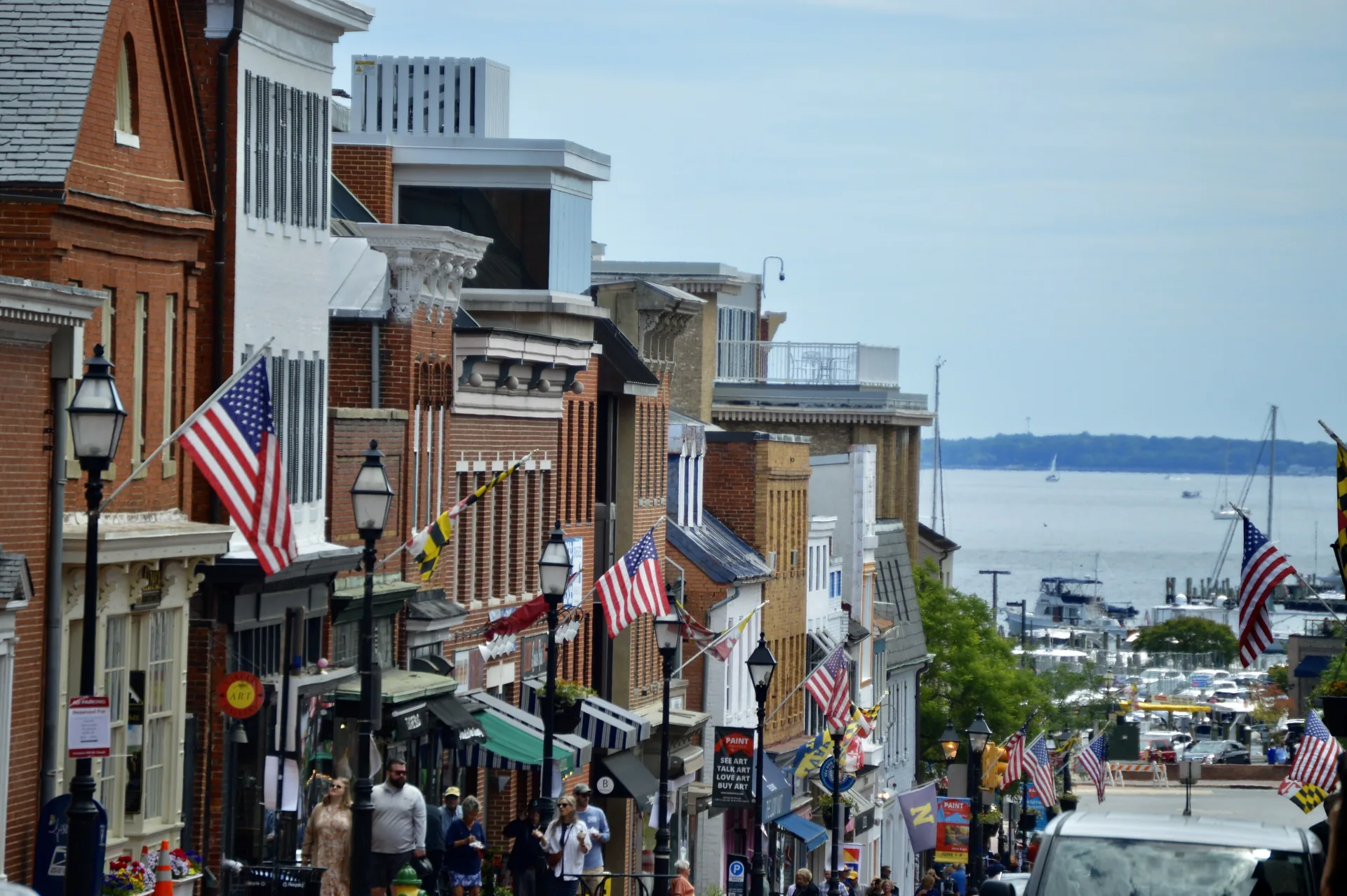
Annapolis brings together the State House, downtown streets and the maritime setting of Eastport. Explore its separate pockets on foot and by local transit, with attention to the creek crossings and your destination’s entrance.
Columbia’s villages, paths and shared institutions explain how the planned community works. Start with its history, a local village center and the right organization for an everyday question.
Severna Park’s daily landmarks include Ritchie Highway, the library on West McKinsey Road and the B&A Trail. Explore the community through its local errands, trail entrances and nearby county parks.
Taneytown offers a local-history museum and several distinct public parks. Start with an exhibition date, a pond-side walk at Roberts Mill or a gathering at Memorial Park.
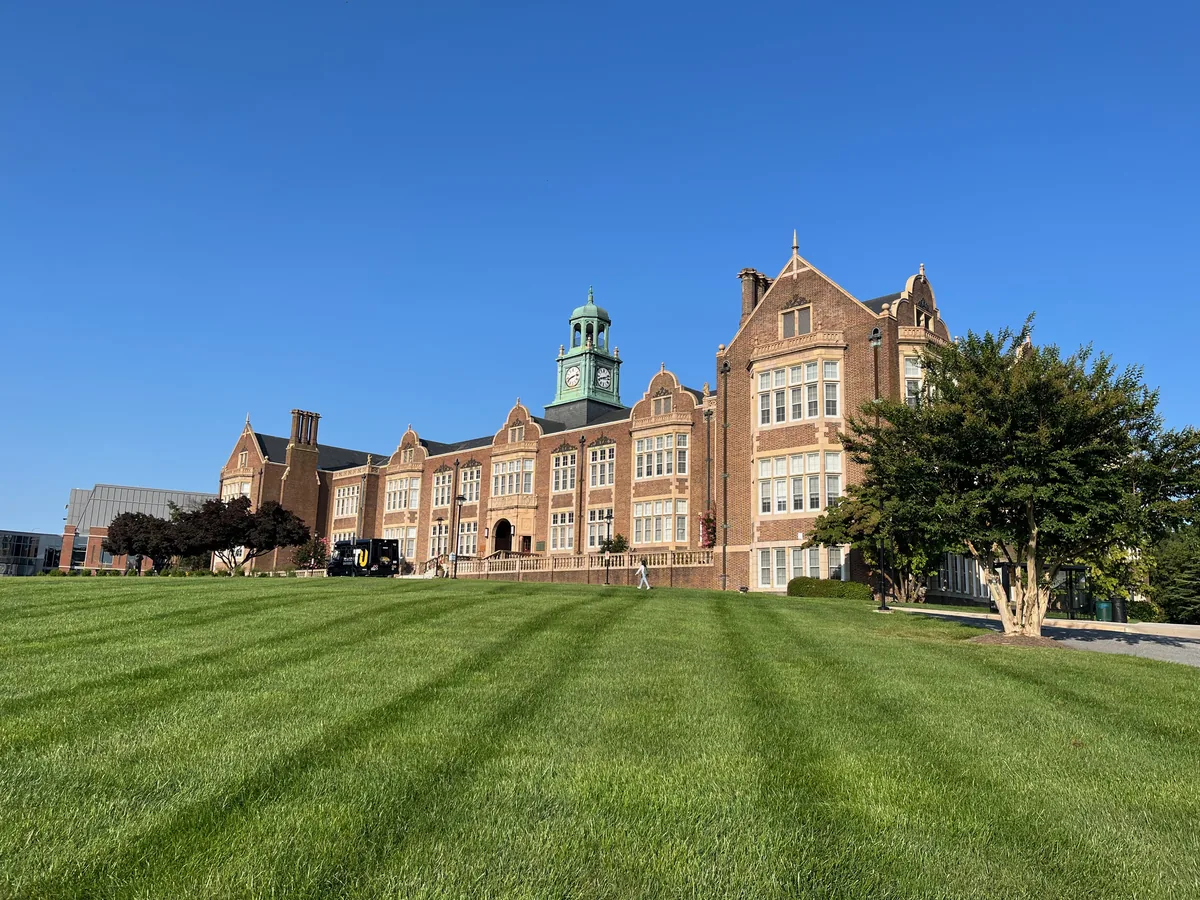
Towson brings Baltimore County government, a university campus and a substantial public library into a town center with a history distinct from Baltimore City.
Abell’s porch-front streets, former ballpark site and community-managed open space connect neighborhood history with everyday life near Greenmount Avenue.
Admiral Heights connects Annapolis streets named for naval leaders with neighborhood waterfront spaces. Dewey Dock, Halsey Park and the separately managed boat club have distinct uses and access arrangements.
Amesbury Hill is a small Town Center residential area off Ten Mills Road near Route108. Its community history, nearby golf resources and Centennial Park entrances help orient a first visit.
Arcadia’s bungalows, cottages and duplexes connect an early twentieth-century subdivision story with an improvement association publishing current neighborhood news.
Baltimore Highlands is a Baltimore City rowhouse neighborhood near Highlandtown, with local housing programs and wider east Baltimore support for older residents.
Banneker is a Town Center residential neighborhood on Banneker Road. Its fire-station landmark, local play areas and the current Central Library give practical orientation points.
Barclay’s rowhouses, former industrial spaces and community organizing reflect a central Baltimore neighborhood shaped by transportation and successive stages of development.
Barre Circle is a compact rowhouse neighborhood near Pigtown and Hollins Market, with a community association and a nearby library branch currently closed for improvements.
Belair-Edison brings porch-front houses, a Belair Road business corridor and neighborhood housing resources together near Herring Run and Clifton Park.
Generalized county boundaries from the U.S. Census Bureau (2025). Place markers appear only where locations have been verified. The same guides are available in the list below.
Westport connects Middle Branch geography with the historical landscape of Mount Auburn Cemetery, where archives and community stewardship provide distinct ways to learn and participate.
Wilson Park’s history is tied to Black banker and developer Harry O. Wilson. His landmark house and Willow Avenue Park provide two distinct local reference points.
York Road bus connections, local civic contacts and nearby household-support resources give Winston-Govans practical links to the wider Govans corridor.
Woodberry’s stone mill houses, industrial buildings and wooded edges tell a working landscape’s story, with community stewardship linking its smaller enclaves.
Woodbourne-McCabe combines a local park with a documented history of housing rehabilitation and neighborhood collaboration. Civic and nonprofit resources provide ways to learn about that work without assuming current homes or programs are available.
Wrenlane connects with neighboring Wilson Park through local civic organizing and planning discussions about gardens, parks and everyday neighborhood improvements.
Wyman Park’s rowhouses meet a stream-valley park, with porch-front blocks, a former railroad corridor and community stewardship shaping the neighborhood.
Wyndhurst’s connection to Stony Run offers a path into local landscape history and volunteer work. Association descriptions and the City neighborhood map cover different areas, so use each for its own purpose.
York-Homeland connects to the York Road corridor’s food and neighborhood programs. A seasonal farmers market and a community fridge offer practical starting points for shopping, sharing and participation.