The Port of Baltimore economy reaches well beyond the ships visible from the harbor. Cargo moves through terminals, truck gates, rail connections and warehouses, supported by maintenance, technology, construction and professional services. To understand a possible customer or job, first identify the facility and the organization responsible for that particular work.
Learn the working waterfront’s geography
The Maryland Port Administration’s terminal directions identify several distinct areas. Dundalk and Seagirt are reached along Broening Highway; the Locust Point and cruise facilities sit on the southern side of the inner harbor area; Fairfield facilities have their own approach through Childs Street. These locations should be treated as separate destinations when planning a meeting or delivery.
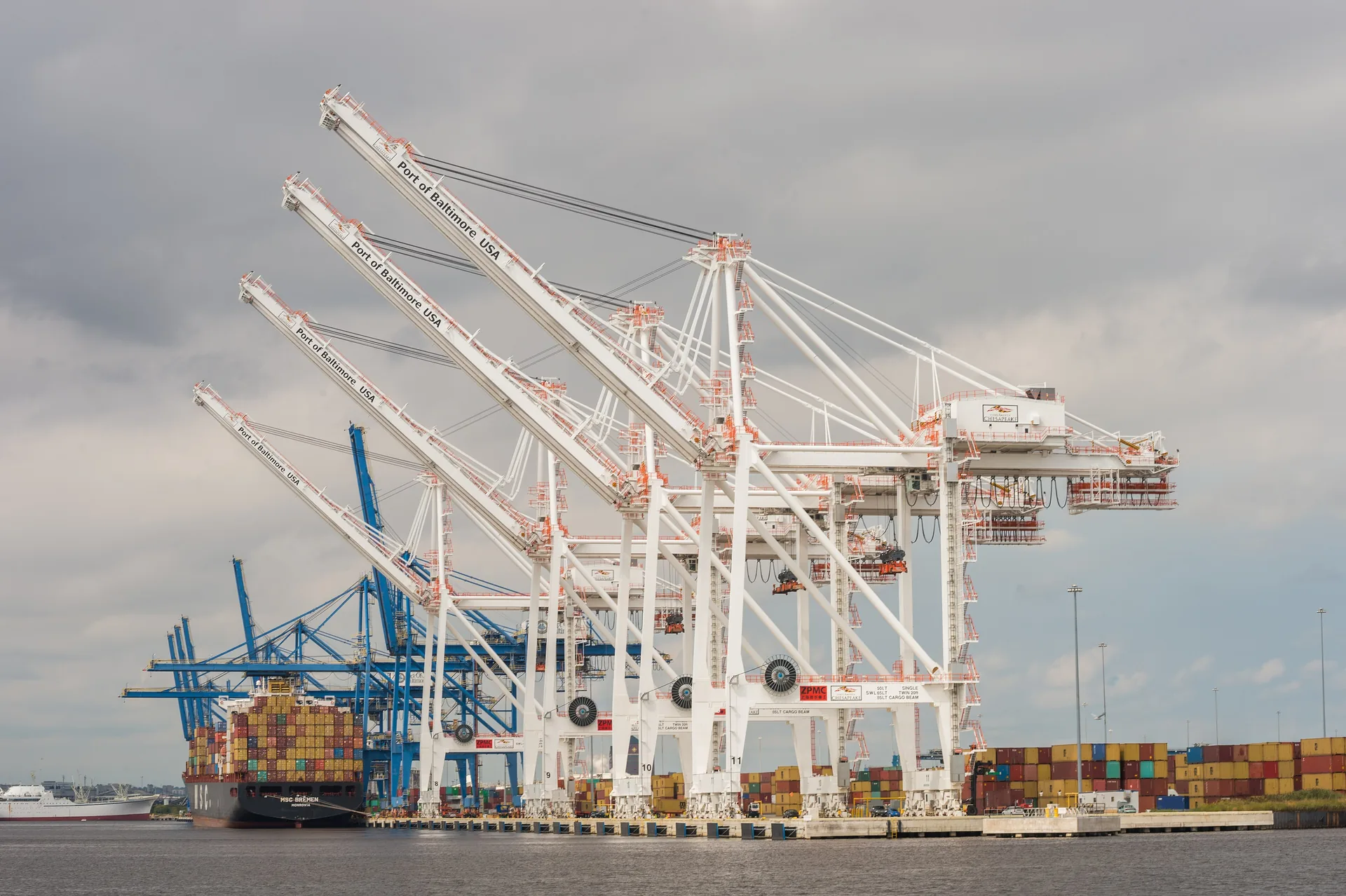
Seagirt Marine Terminal handles containers and is operated by Ports America Chesapeake under an agreement with the Maryland Port Administration. Its connections to road and rail illustrate why a container’s journey involves several businesses. A vessel arrival is one stage; handling, documentation and the next transport leg must also work together.
Farther east, Tradepoint Atlantic describes its Sparrows Point site as a logistics center with marine, rail and highway access. Its terminal directions distinguish security gates, scales, warehouses and the corporate office. The office address is explicitly not a truck-loading location. That is a useful local lesson: the recognizable company name may take you to the wrong entrance unless the appointment identifies the facility.
Find the customer behind the work
For public purchasing, the MPA procurement office directs prospective bidders to eMMA. It procures supplies and services, including IT, as well as construction and architectural or engineering work. The MPA’s business-program information lists examples such as dredging, crane maintenance, hauling, concrete work and construction supplies. These describe areas of procurement activity; they do not establish that a suitable contract is open today.
A terminal operator, logistics tenant, carrier or prime contractor may use a different purchasing process. Our recommended approach is to write down both the site name and the legal buying organization before offering a service. Then confirm the supplier channel, the work location and whether you would contract directly or through another company.
For example, an IT provider should ask whether the buyer needs support for office users, a warehouse system or a specialist operating environment. A maintenance firm should clarify equipment, access windows and responsibility for materials. These questions help reveal whether the work fits the business before a lengthy proposal begins.
Prepare for terminal access
MPA’s truck-access guidance says truckers entering Dundalk and Seagirt need full eModal Trucker Check registration. Review the current security and terminal instructions with the receiving organization before dispatch. Registration, an appointment and authority to enter a particular area are separate things to confirm.
Build an operating checklist around the assignment: exact gate, vehicle and driver requirements, booking reference, receiver, arrival window and instructions if the shipment or visit is delayed. Give the person making the trip the details they need rather than a general street address. Review the port’s news and publications, then obtain current operating instructions from the specific terminal.
Read employment and business opportunities carefully
When considering a role, look beyond the word “port.” A posting may involve cargo handling, equipment maintenance, driving, warehouse operations, administration or technology. Compare the actual employer, location, schedule and stated qualifications. A waterfront address alone does not tell you the hiring process or the work you will perform.
For a business opportunity, compare the scope with your people, equipment and available time. Ask who approves completed work and how acceptance is documented. Identify the tasks you can perform yourself and any specialist help you would need. Maryland APEX’s readiness checklist offers a useful starting point for evaluating government work.
Where to start this week
Choose one part of the waterfront economy and research three actual buyers or employers. Save their official supplier or careers pages. For each, record the facility, the work of interest and the next question. The MPA business hub helps distinguish procurement, cargo-development information and terminal rates. Following the appropriate route makes your first inquiry more useful to both sides.
Sources reviewed October 16, 2026. This article describes the port’s business structure and practical research routes. It does not announce vacancies, available contracts, approved vendors or partnerships with Maryland Authority.